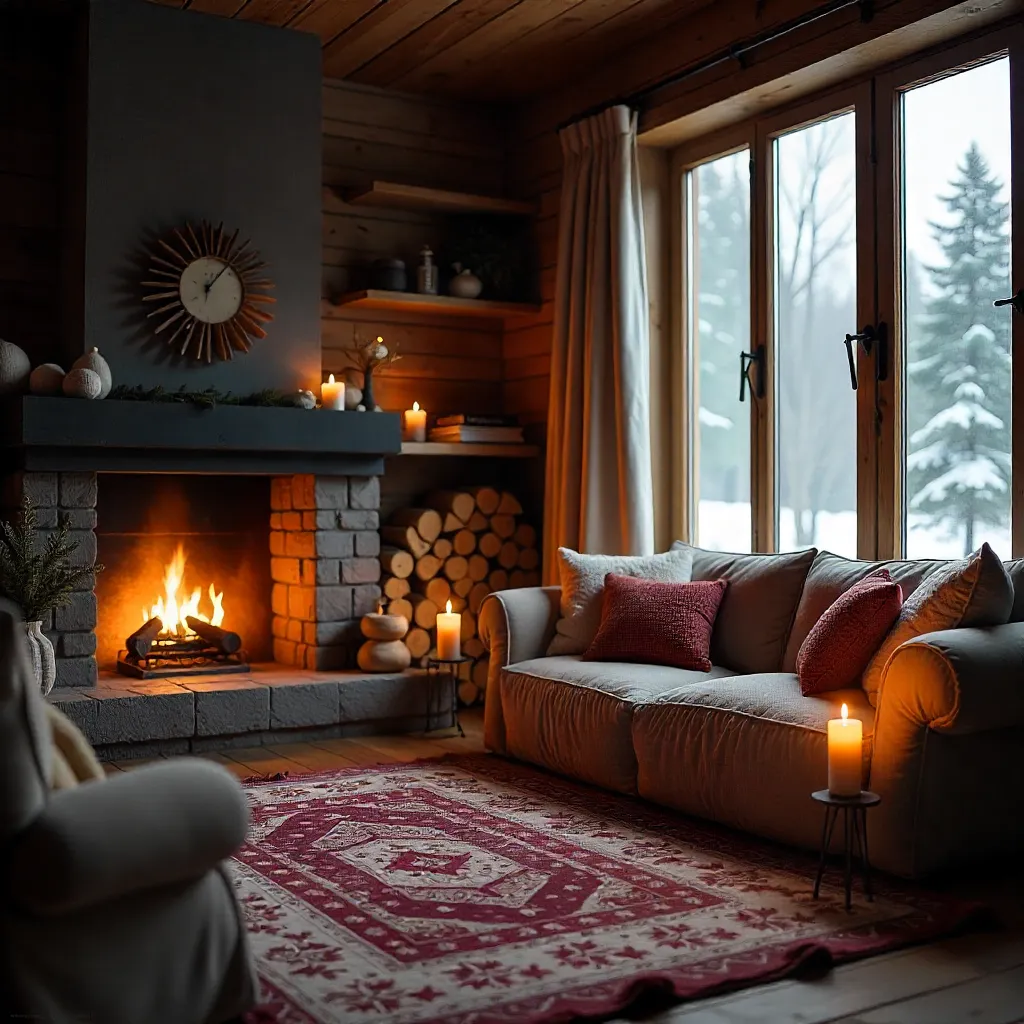
Preparation Guide

Step-by-step approach to transforming your living space into a thermal sanctuary for the winter solstice period.

Winter preparation guide

Assessment Phase

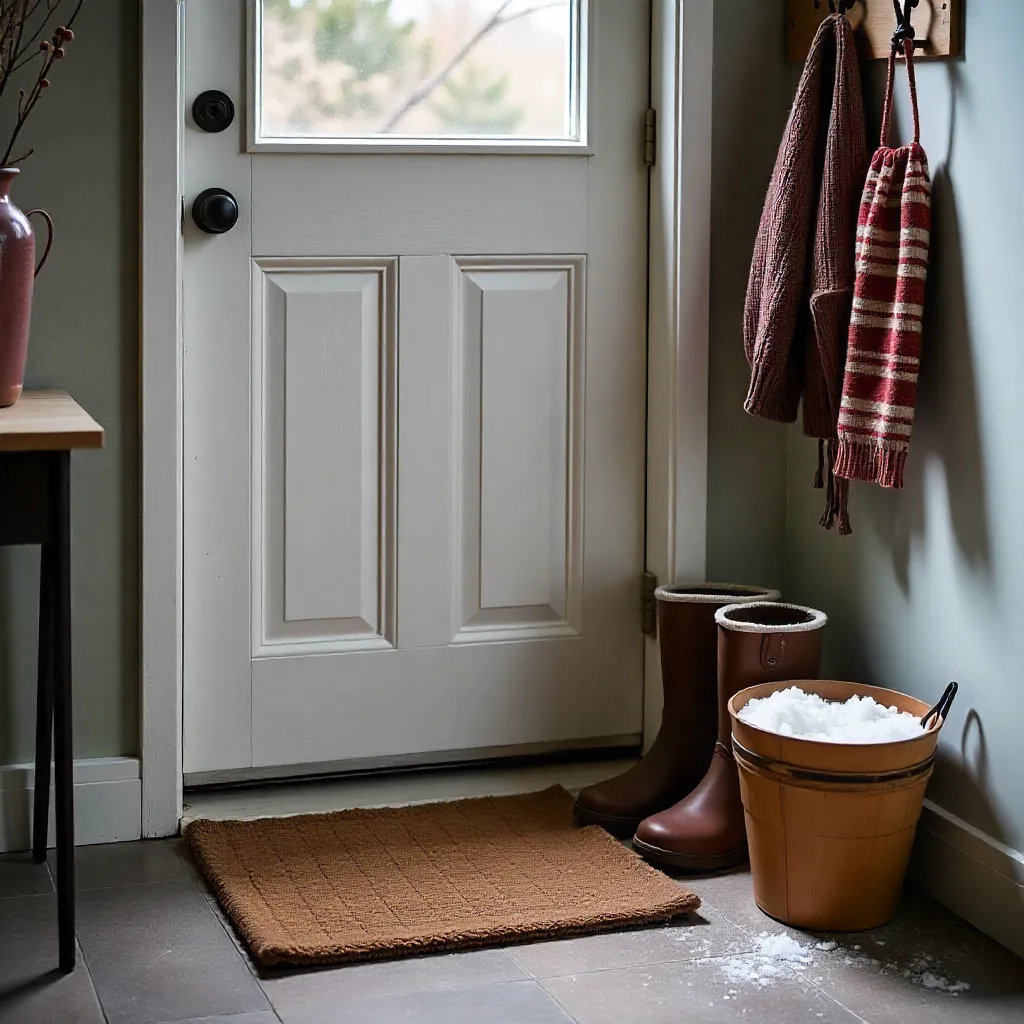
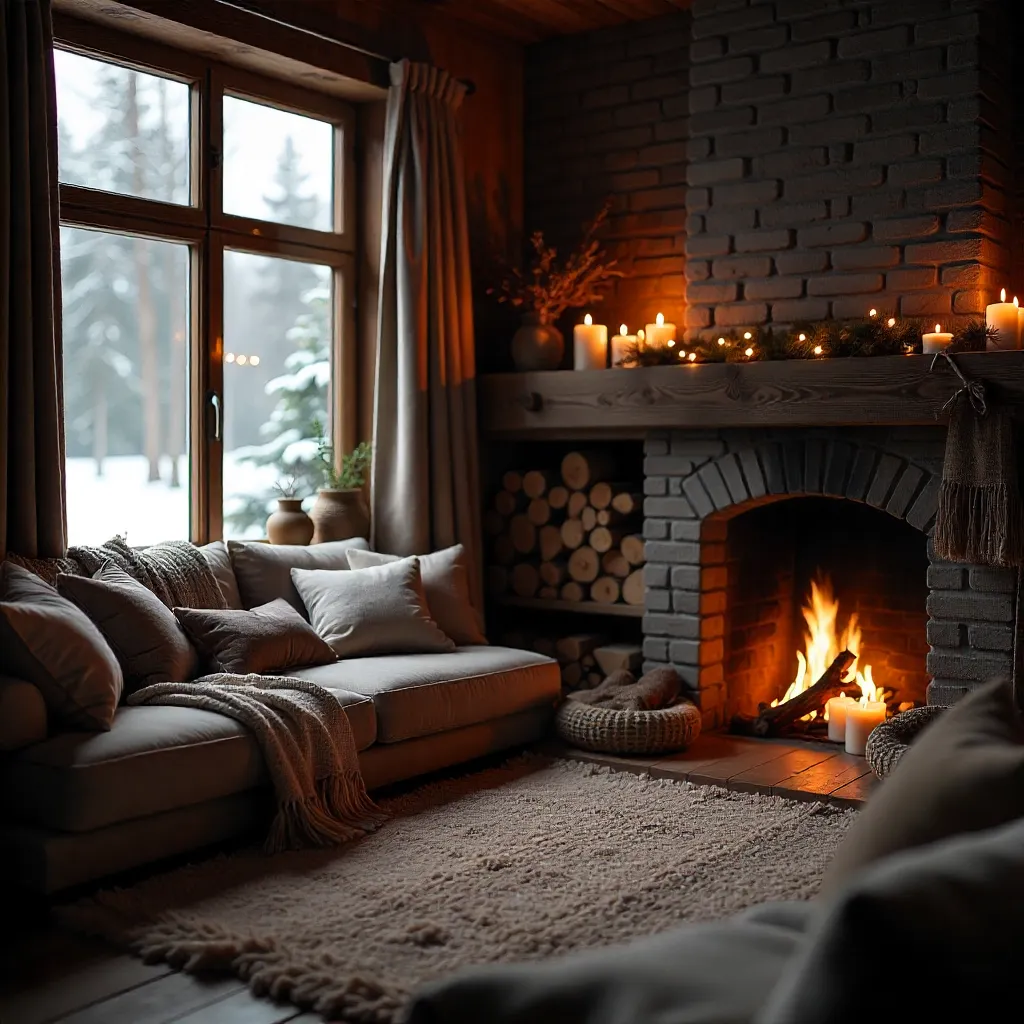
Begin with a comprehensive assessment of your current thermal conditions. Identify areas of heat loss, draft points, and zones that require attention.

Document window locations, door seals, and existing insulation levels. This baseline information guides the selection and placement of thermal optimization elements.
Assessment and planning

Implementation Steps

Implementation process

Implementation follows a prioritized sequence: thermal barriers first, then light optimization, followed by circadian management systems. Each phase builds upon previous work.

Start with window treatments and entryway insulation. Progress to textile systems and distributed heat sources. Finally, integrate light management to complete the sanctuary transformation.

Maintenance Protocols

Ongoing maintenance ensures continued thermal performance throughout the winter period. Regular checks of seals, textile condition, and light system functionality maintain optimal conditions.

Adjustments may be necessary as conditions change. The system's modular nature allows for incremental improvements and adaptations to evolving needs.

Maintenance and adjustment

Optimization Techniques

Optimization techniques

Advanced optimization techniques refine the thermal sanctuary system. These include thermal mass placement, reflective surface positioning, and coordinated timing of heat and light sources.

Fine-tuning creates efficiency improvements while maintaining comfort levels. The goal is optimal resource utilization without compromising the sanctuary experience.