
Thermal Solutions

Comprehensive approaches to creating thermal comfort during extended winter darkness periods.

Thermal solutions overview

Window Thermal Barriers

Windows represent significant thermal loss points during winter. Effective window thermal barriers combine multiple strategies to minimize heat transfer while maintaining visibility and natural light access.

Layered approaches include interior insulating panels, thermal curtains, and draft-sealing techniques. Each layer contributes to cumulative thermal resistance, creating an effective barrier against cold infiltration.
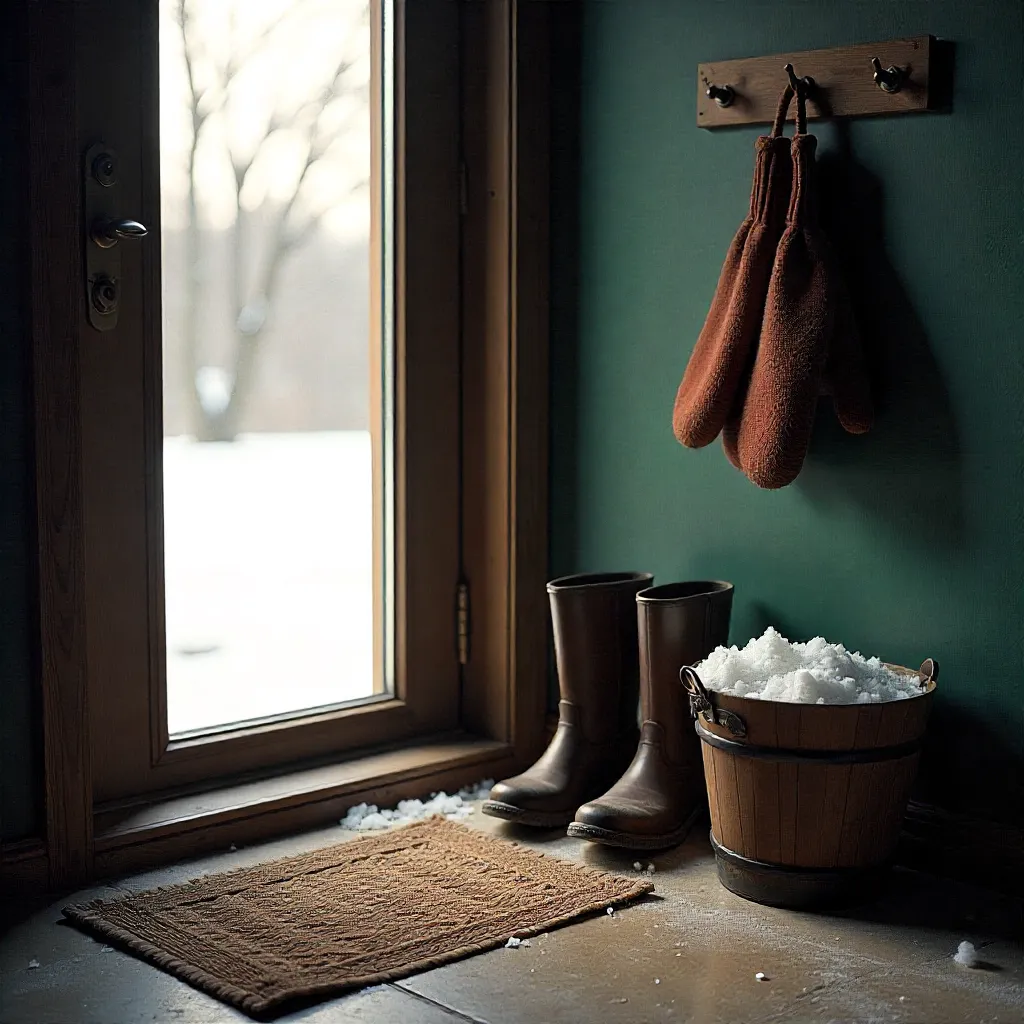
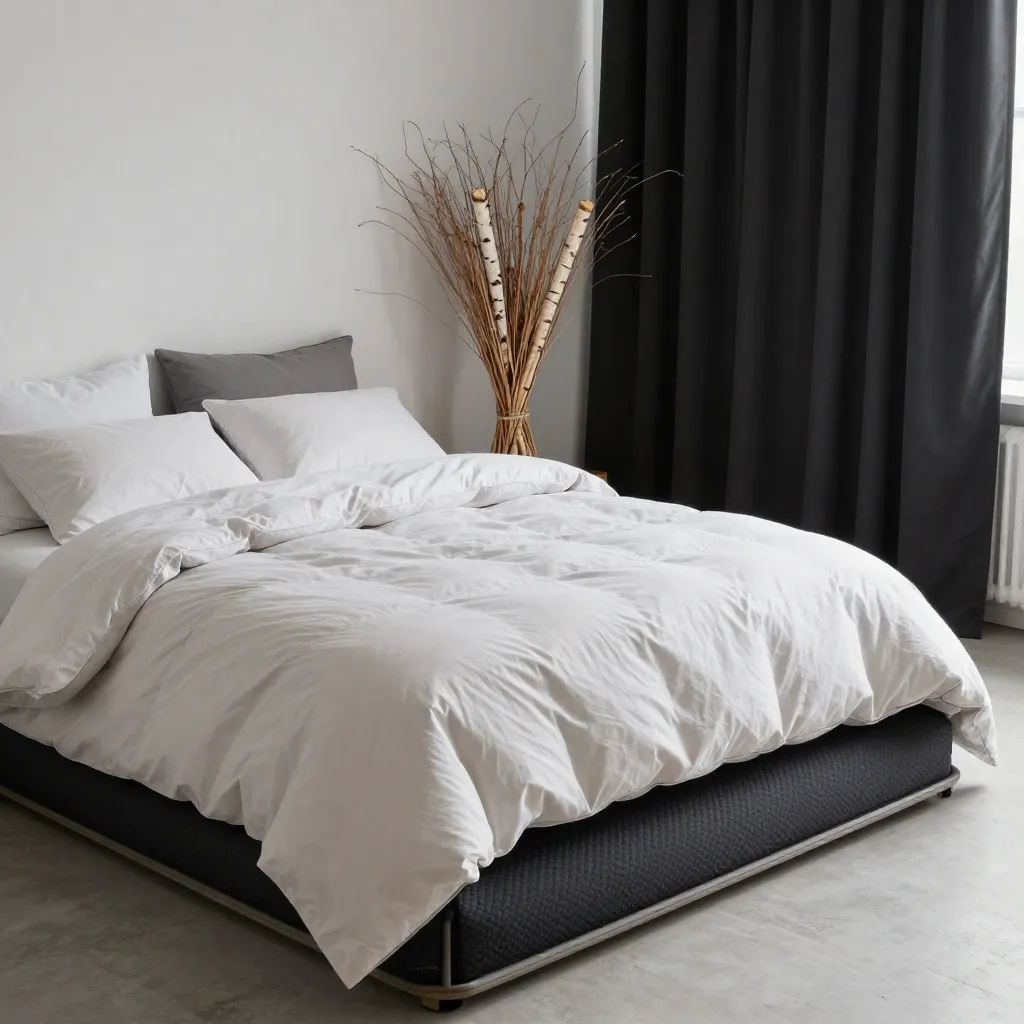
Window thermal barrier installation

Textile Insulation Systems

Textile insulation systems

Natural textile insulation systems utilize wool, heavy cotton, and layered fabric structures to create thermal buffers. These materials trap air effectively, reducing convective heat loss.

Strategic placement of rugs, blankets, and textile barriers transforms living spaces into thermal zones. The approach emphasizes adaptability and reversibility, allowing seasonal adjustments.

Distributed Heat Sources

Distributed heat source systems create multiple thermal zones rather than relying on centralized heating. This approach provides resilience and allows for zone-specific temperature control.

Candle arrangements, localized heating elements, and thermal mass objects work together to maintain comfort. The system adapts to usage patterns, providing warmth where and when needed.

Distributed heat sources

Light Integration Strategy

Light integration strategy

Light integration combines thermal and illumination functions. Light sources that generate both visible spectrum output and thermal energy serve dual purposes during extended darkness.

The strategy coordinates light placement with thermal zones, ensuring that illuminated areas also benefit from associated warmth. This creates efficient use of energy resources while supporting both visual and thermal comfort needs.