Thermal Sanctuary

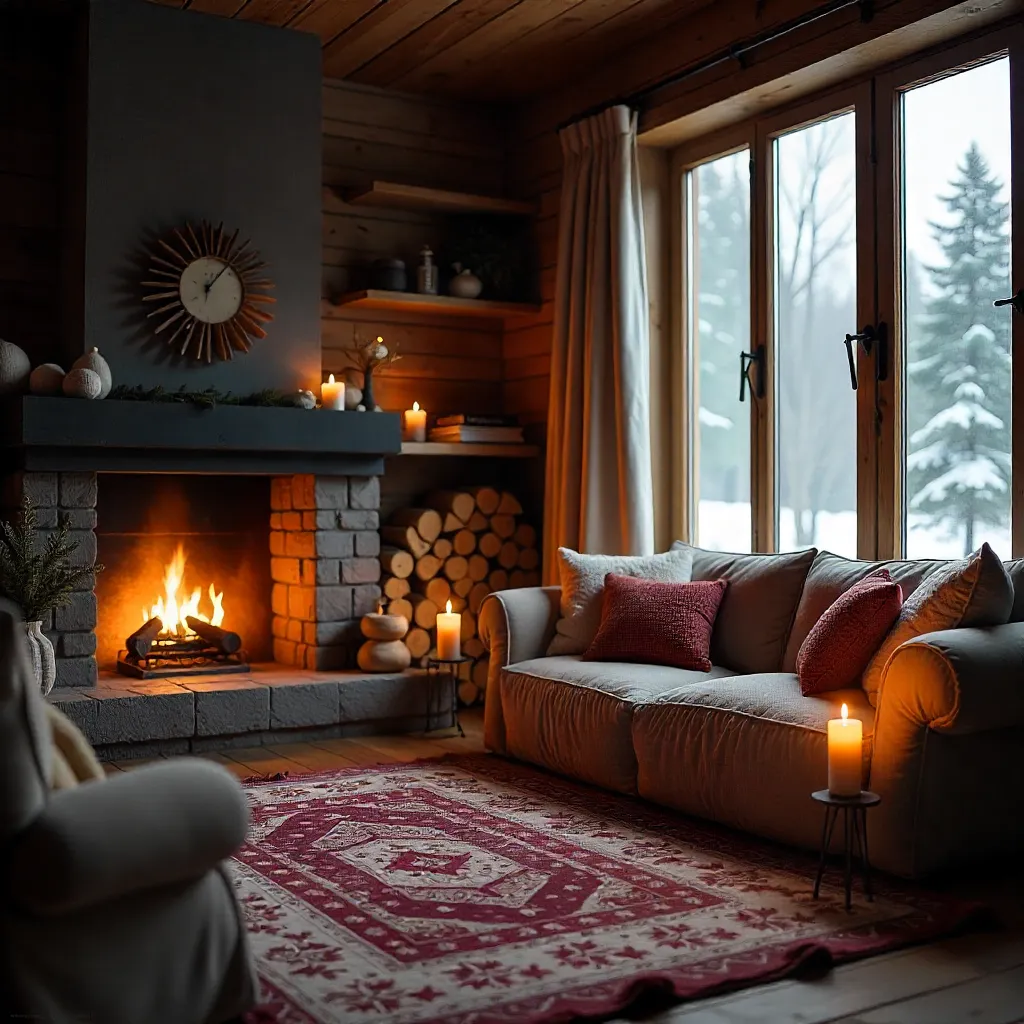
Engineering warmth and light for the Finnish winter solstice. Transform your home into a haven of thermal comfort during the polar night.

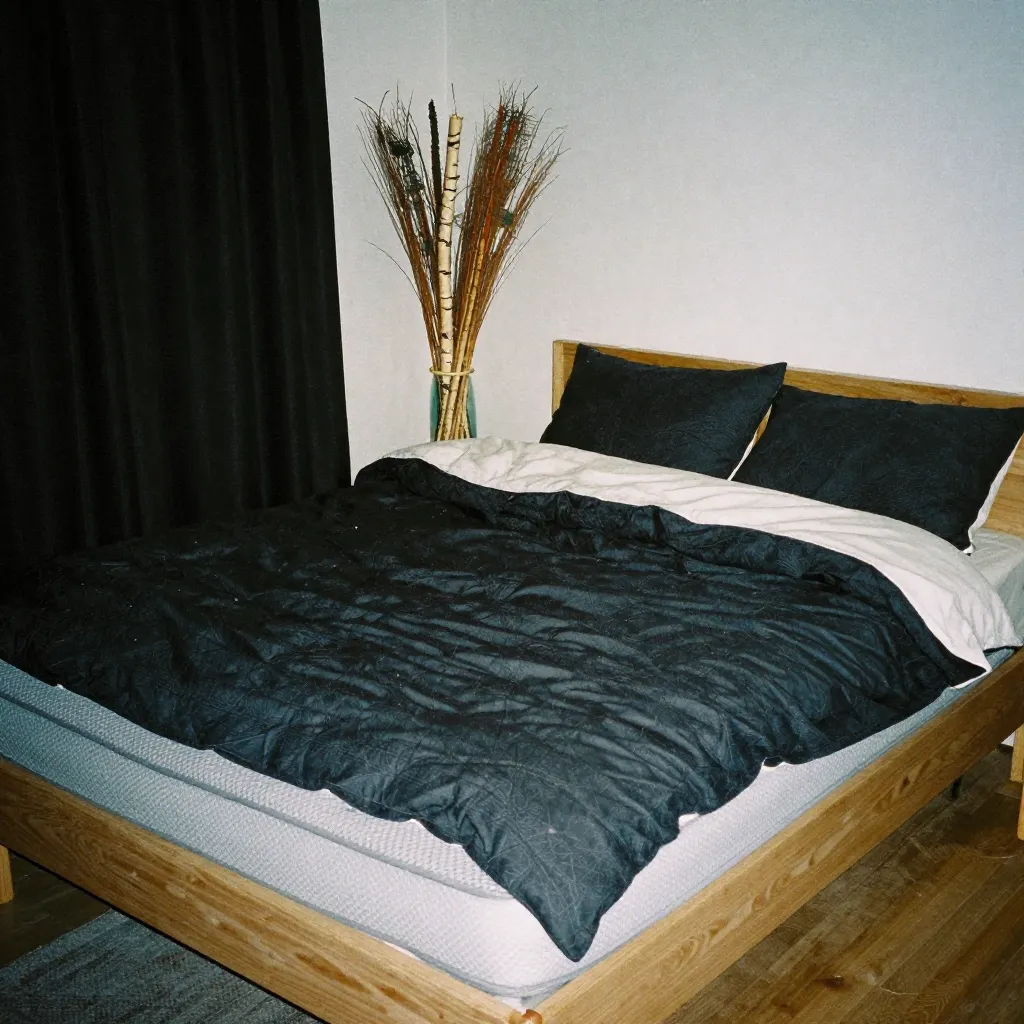
Cozy bedroom with thermal textiles

The Solstice Challenge

As the Finnish winter solstice approaches, daylight diminishes to mere hours. The polar night, known as "Kaamos," transforms the landscape into a realm of extended darkness. During this period, maintaining thermal comfort and psychological well-being becomes essential.

Traditional heating methods often fall short when temperatures drop below freezing for extended periods. Modern homes require a holistic approach that combines passive thermal strategies with active light management.
Natural lighting in winter interior

Winter Solstice Countdown

Calculating...
Loading daylight data...

Thermal Barrier Protocol

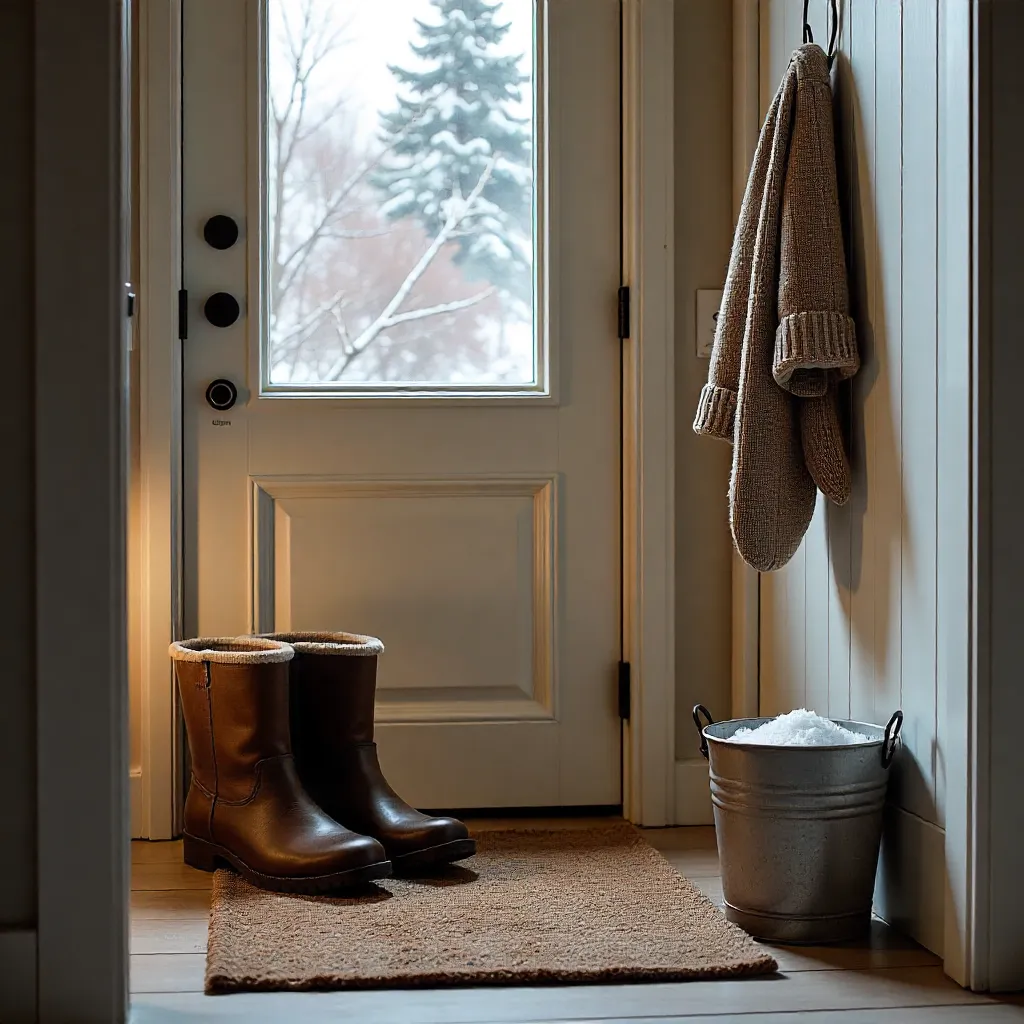
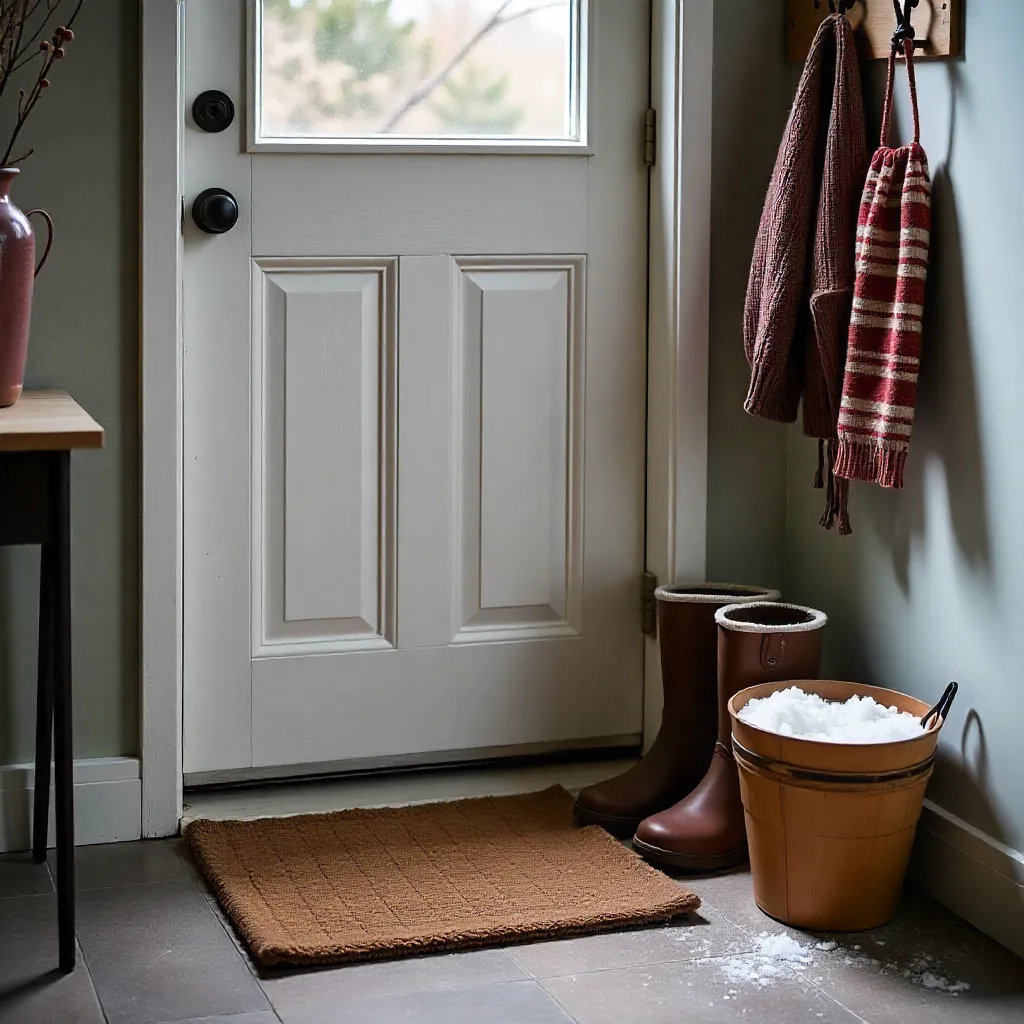
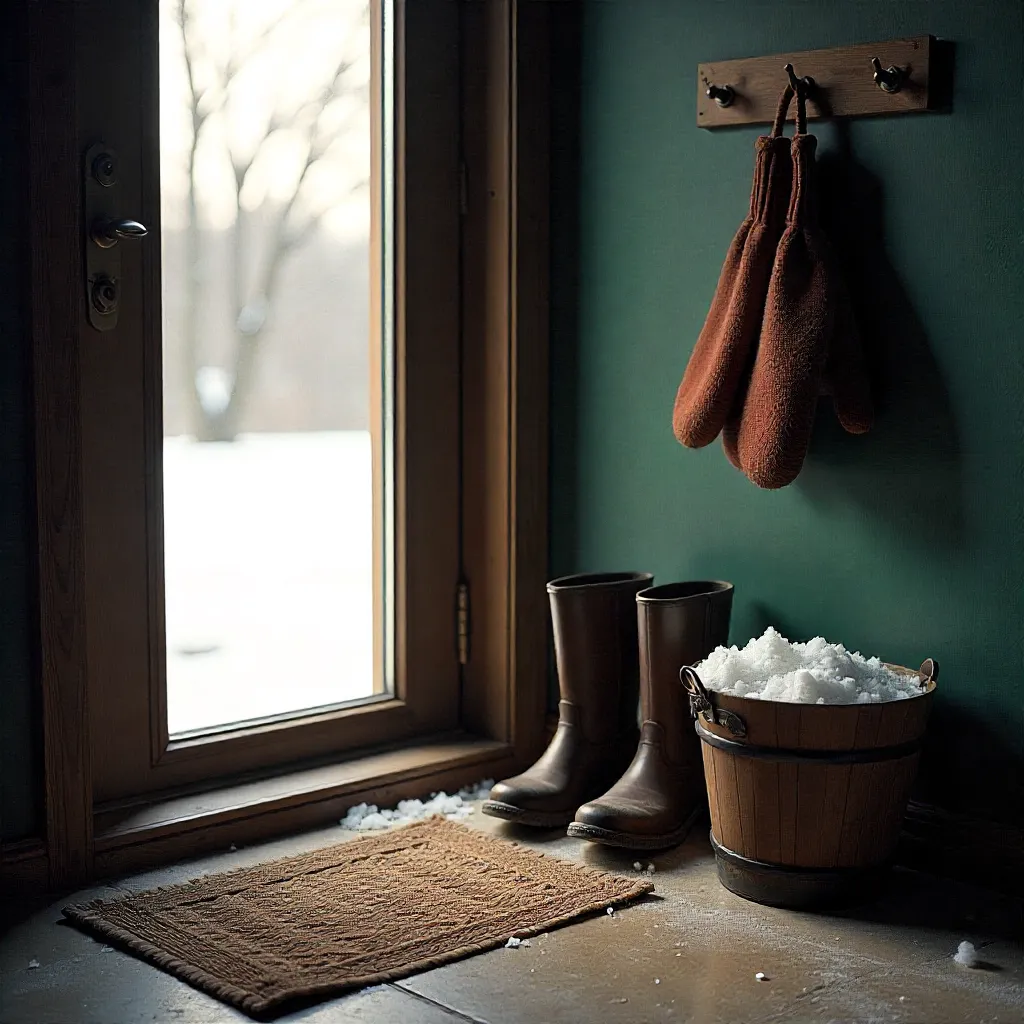
Entryway thermal insulation setup

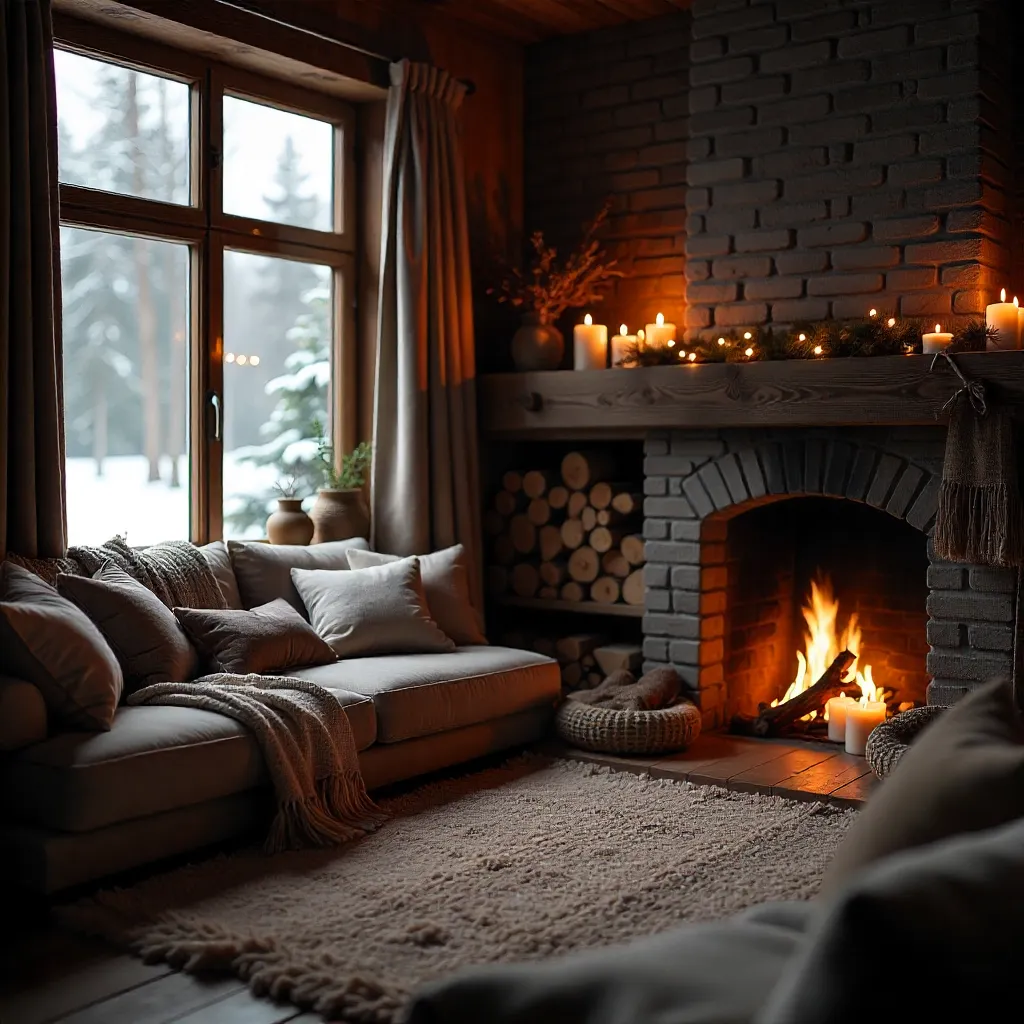
Heavy natural textiles serve as active heat shields, creating microclimates within your living spaces. Wool rugs, layered curtains, and draft-blocking materials form the foundation of thermal retention.

Strategic placement of insulating elements prevents heat loss through windows, doors, and exterior walls. The goal is not just warmth, but creating zones of consistent thermal comfort that support daily activities.

Photon Optimization Lab

Light functions as a vital nutrient during extended darkness. The Photon Optimization Lab approach treats illumination as a biological necessity, not merely decoration.

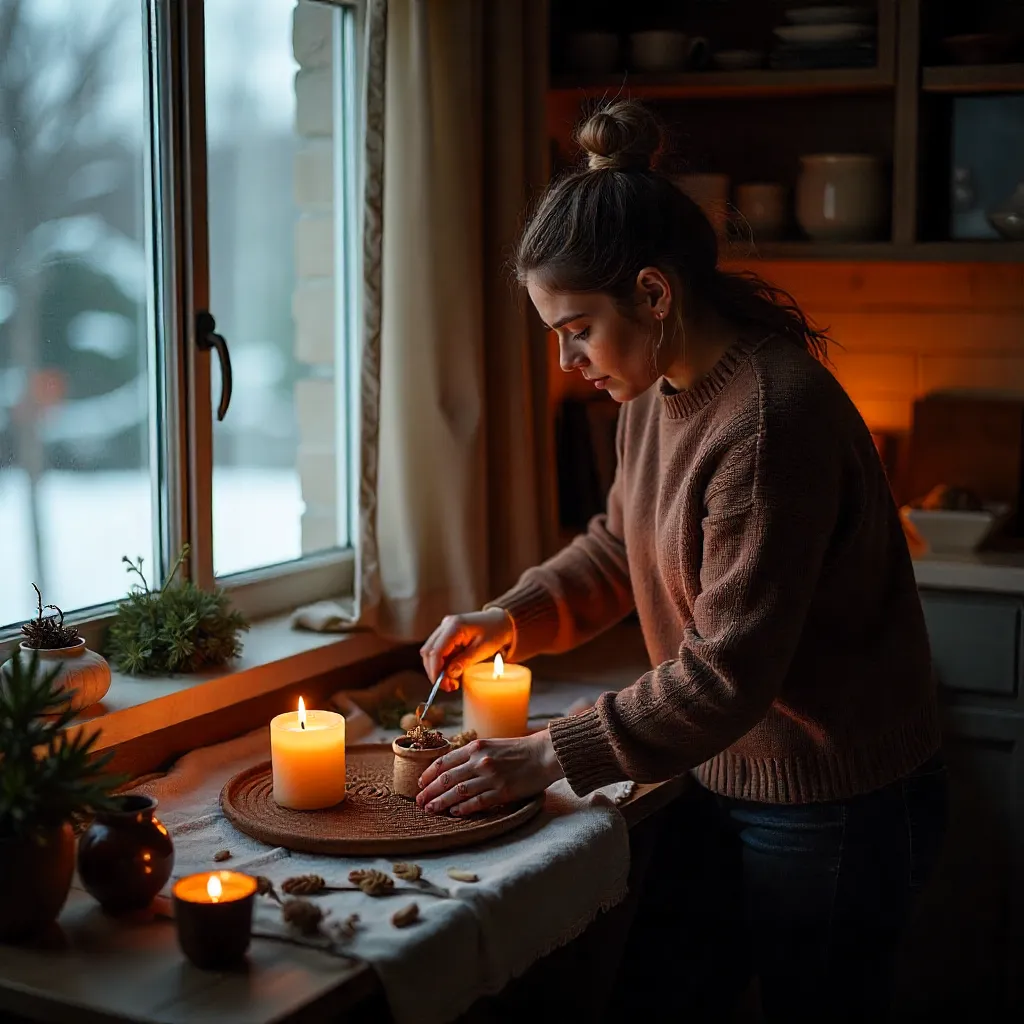
Eco-friendly bulbs calibrated to the Kelvin scale mimic natural sunlight, supporting circadian rhythms. Reflective surfaces amplify available light, while natural candles provide biological warmth through both thermal and visual channels.

Optimized lighting arrangement

Circadian Sync Archive

Circadian rhythm lighting setup

Maintaining biological rhythms during Kaamos requires structured light-loading schedules. Morning light exposure, even if artificial, signals the body's internal clock to begin the active phase.

Natural scent-scaping using pine and spice elements creates atmospheric cues that complement light therapy. This multi-sensory approach helps regulate the home's internal environment.

Soft Insulation Science

Soft insulation differs from construction-grade materials in its focus on comfort and adaptability. Heavy duvets, layered bedding, and textile barriers create thermal buffers that respond to body heat.

These materials work through principles of air trapping and radiant heat reflection. The result is a living space that maintains warmth without constant energy consumption.

Soft insulation textiles

Natural Warmth Engineering

Natural warmth solutions

Beyond mechanical heating, natural warmth engineering incorporates passive solar gain, thermal mass, and human-scale heat sources. Candle arrangements provide both visual warmth and localized thermal zones.

The philosophy centers on creating multiple small heat sources rather than relying on a single large system. This distributed approach ensures comfort even if primary heating systems experience interruptions.

The Sanctuary Protocol

The complete protocol integrates thermal barriers, light optimization, and circadian management into a unified system. Each element supports the others, creating a resilient home environment.

Implementation begins with assessment of current conditions, followed by strategic placement of thermal and light elements. The goal is transformation from a standard living space into a thermal sanctuary.

Complete sanctuary setup